
Feasibility First-Align Scope & Budget
For homeowners contemplating the butlers pantry vs walk in pantry decision, sound planning starts long before any demolition or cabinetry orders. At LivCo, we see cost as a primary design input-not an afterthought. Our feasibility design phase defines a clear budget before construction begins. We align scope, materials, and priorities with real costs so every decision is grounded in numbers-not guesswork.
Your storage needs, kitchen flow, and entertaining styles are unique to your household. In feasibility, we explore scope options that fit both your vision and your budget. With butler’s pantries, clients may weigh single-wall cabinetry versus expanded storage with sink and appliance zones. Walk-in pantries bring their own questions-how much square footage can we dedicate, and can shelving or cabinetry provide the right utility? Clarity at this stage limits future detours.
We provide rough order of magnitude (ROM) pricing bands for both options. These bands might illustrate, for example, that the butlers pantry scope aligns nearer the base of a €40k-€60k band, while a larger walk-in pantry could approach the upper end. Early value-engineering choices-like floating shelves versus enclosed glass cabinetry, or ready-made versus custom millwork-are discussed here to anchor realistic trade-offs. We produce a preliminary cost baseline, directly tied to your chosen scope, so every subsequent decision flows from established financial objectives.
Establish the budget in feasibility, then manage it actively through design. This approach keeps choices rational, transparent, and cost-driven. Both pantry types offer distinct advantages, but the best fit comes from matching actual needs to available resources. Feasibility is where the risk-managed process begins. To learn more about our feasibility-based approach for kitchen and pantry remodels, visit https://www.livcompanies.com/kitchen-remodeling/.
Design with Cost Checkpoints
With an initial cost baseline in place, we move to design iterations. Structured checkpoints enable us to re-confirm the butlers pantry vs walk in pantry decision at each phase-validating utility, spatial impact, and cost.
Structured Cost Gates for Pantry Projects
Our process includes explicit cost gates at these precise milestones:
• After Schematic Design
• After Design Development
• At approximately 50% Construction Documents
• At approximately 90% Construction Documents
After Schematic Design, we summarize scope preferences and spatial diagrams; after Design Development, the technical solutions and finishes are further defined. At both 50% and 90% Construction Documents, more details mean better pricing accuracy. These checkpoints capture your evolving choices-such as choosing between a compact butlers pantry with appliance garages or a versatile walk-in space with integrated recycling and bulk storage.
Throughout detailed design, we treat the budget as a live document. Scheduled cost checkpoints at key milestones confirm scope against budget and capture value-engineering trade-offs.
Comparing Pantry Storage and Functionality within Budget
A butler’s pantry shines for concealing small appliances, staging meals, or managing barware. In contrast, a walk-in pantry excels at handling bulk items, household staples, and utility zones. At each cost checkpoint, we document how storage configuration impacts your investment-adjusting scope, finishes, or locations to keep budget alignment. Every scope change is quantified and discussed before proceeding.
Numeric Tightening Example: From Bands to Lock
Consider a hypothetical kitchen addition requiring a storage upgrade. In feasibility, the team defines rough pricing for pantry layout options: €120k-€140k. As selections are made through schematic and then design development, value-engineering narrows the projection: €132k-€136k after Design Development. At the 90% Construction Documents milestone, only fully defined costs remain: €134.8k. This is where price is locked pre-construction, increasing precision and reducing owner risk. This example illustrates our numbers-driven process-not a guarantee, but a disciplined pathway to cost control.
If you are weighing a butlers pantry vs walk in pantry decision, expect your costs to track similarly: wide early, narrowing as choices are made and documented. This progression makes clear when-and why-numbers adjust. It allows for flexibility early, and stability by project start.
To see cost management at work in a broader architecture context, explore https://www.livcompanies.com/architecture-and-design/.
Pre-Construction Price Lock
By this stage, the butlers pantry vs walk in pantry decision is finalized on both plans and pricing. Scope, finishes, and features are documented at a level that supports bids or direct negotiation with vetted trades and suppliers. We calibrate allowances-those variable components like plumbing or specialty hardware-so no ambiguity remains before construction mobilizes.
Before we start construction, we finalize drawings and specifications, clarify allowances, and lock the price on paper. This approach reduces owner risk and minimizes the need for contingencies.
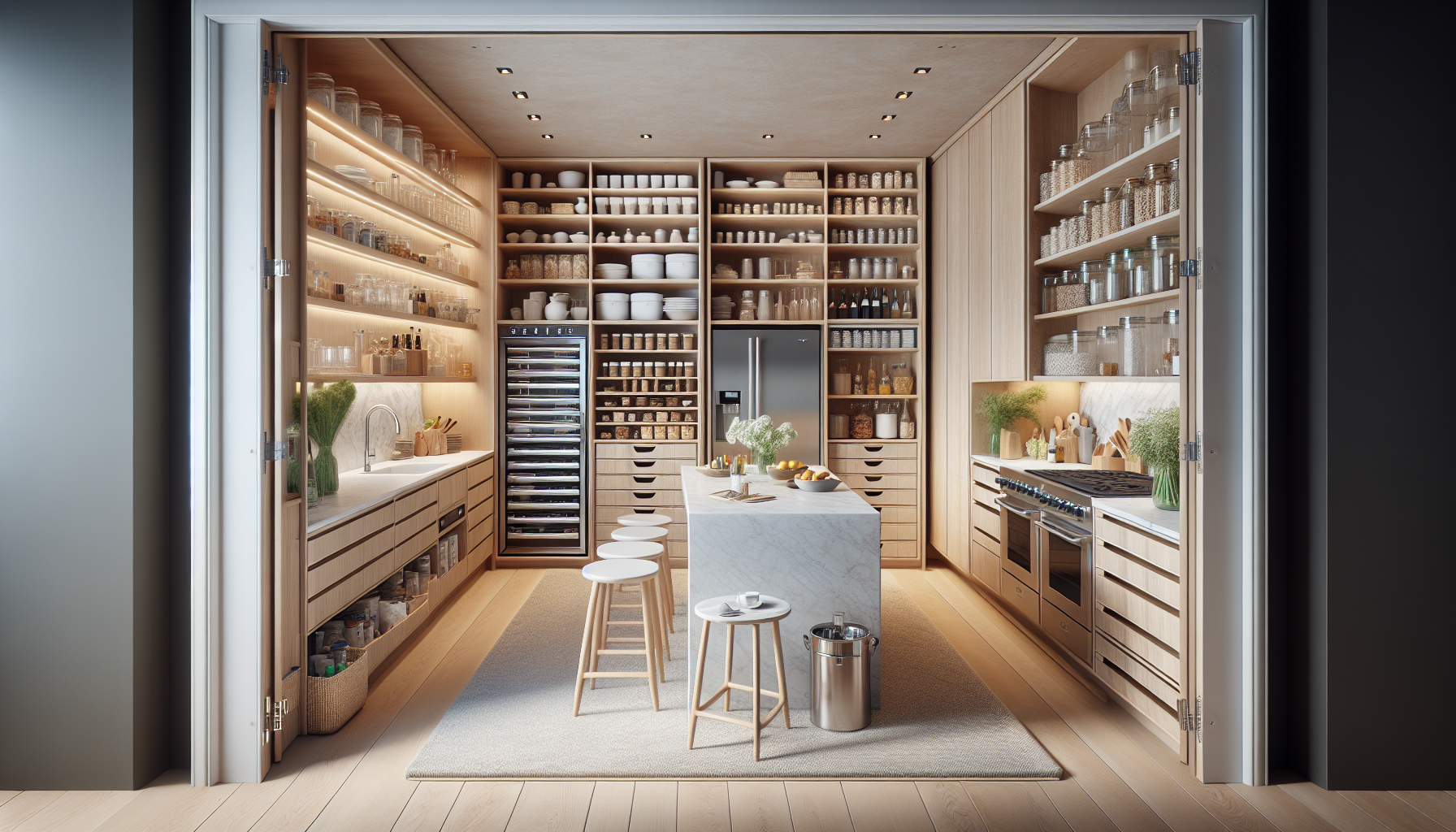
Walk-in pantries and butlers pantries present varied detailing-built-in wine storage, service counters, integrated lighting, or even secondary dishwashers. All such elements are reflected in the locked price. By papering this commitment, we ensure fewer surprises during the build. Uncertainties are isolated and right-sized-not left as broad, undiscovered risks.
We lock pricing before we mobilize. Our clients enter construction backed by a fixed contract sum, minimizing exposure to unexpected changes. Decisions that sometimes drive up costs late in a traditional process-like added outlets or material upgrades-are already captured, with owners retaining the option to pursue managed, documented changes if desired.
For more about how price locking supports risk-managed remodeling across all home areas, see https://www.livcompanies.com/remodeling/.
Build with Confidence
With a finalized butlers pantry vs walk in pantry decision and documented fixed price, construction proceeds as disciplined execution. Every step is driven by detailed plans and agreed scope. The prime benefit is control; our project managers track progress against your locked price and outlined scope. Deviations-whether for design enhancement, product substitution, or unanticipated field conditions-are managed with transparency, via written change orders.
This approach reduces owner risk, limits surprises, and minimizes the need for contingencies. Change is managed, not improvised. We recommend right-sizing a modest reserve targeted to known unknowns, such as concealed site conditions, after design is complete.
Risk-Minimized Pantry Build Execution
When building a butlers pantry, attention to millwork detail and appliance readiness is paramount. For walk-in configurations, shelving systems and lighting often drive the critical path. With every element defined in the pre-construction phase, field crews execute to plan, not to guesswork. Construction becomes plan execution, not budget discovery. You see steady progress and receive regular updates confirming alignment with initial financial commitments.
Final Thoughts on the Butlers Pantry vs Walk In Pantry Decision
The right pantry for your home depends on lifestyle, kitchen flow, and space available. The butlers pantry vs walk in pantry decision is not one-size-fits-all-but it is always best resolved at the intersection of need, design, and confirmed cost. Our process delivers clarity at each step, reducing the risk of compromise or overruns as the project advances.
If you are ready to compare these options for your own renovation, or wish to see detailed examples of build-ready pantries, the National Association of Home Builders offers reliable guidelines on current design trends and best practices.
Our process-driven, cost-first approach provides a clear path to your ideal storage upgrade-whether your needs lean toward the service efficiency of a butlers pantry or the access and volume of a walk-in pantry.
Schedule a feasibility consult to define your budget before you build.
FAQ
What is the difference between a butlers pantry and a walk in pantry?
A butlers pantry usually serves as an additional prep space and often includes counters, cabinetry, and sometimes even appliances. In contrast, a walk in pantry focuses on maximizing storage and organization for food and kitchen supplies. Both offer unique benefits; however, your choice depends on your storage and entertaining needs.
What factors should I consider when making the butlers pantry vs walk in pantry decision?
Space, lifestyle, and budget are key considerations. For example, if you entertain often or love extra prep space, a butlers pantry is a strong choice. In addition, walk in pantries typically work best for homeowners who prioritize large capacity storage. Our team can help you determine which fits seamlessly into your home.
Why does pantry design matter for my home’s functionality?
Choosing the right pantry directly impacts daily routines, kitchen efficiency, and even resale value. A well-designed pantry-whether butlers or walk in-keeps your kitchen organized and clutter-free. Moreover, thoughtful planning ensures your space works for years to come.
Which pantry offers the most storage capacity?
Generally, a walk in pantry provides more overall storage space, making it ideal for larger families or those who like to stock up on supplies. That said, a butlers pantry can offer versatile storage and additional workspace, which suits many modern lifestyles.
How do I choose the best pantry option for my home?
Start by evaluating your available space, daily needs, and entertaining habits. We recommend discussing your goals with our design experts to compare options. By assessing both function and form, you’ll make the right butlers pantry vs walk in pantry decision for your unique home.