
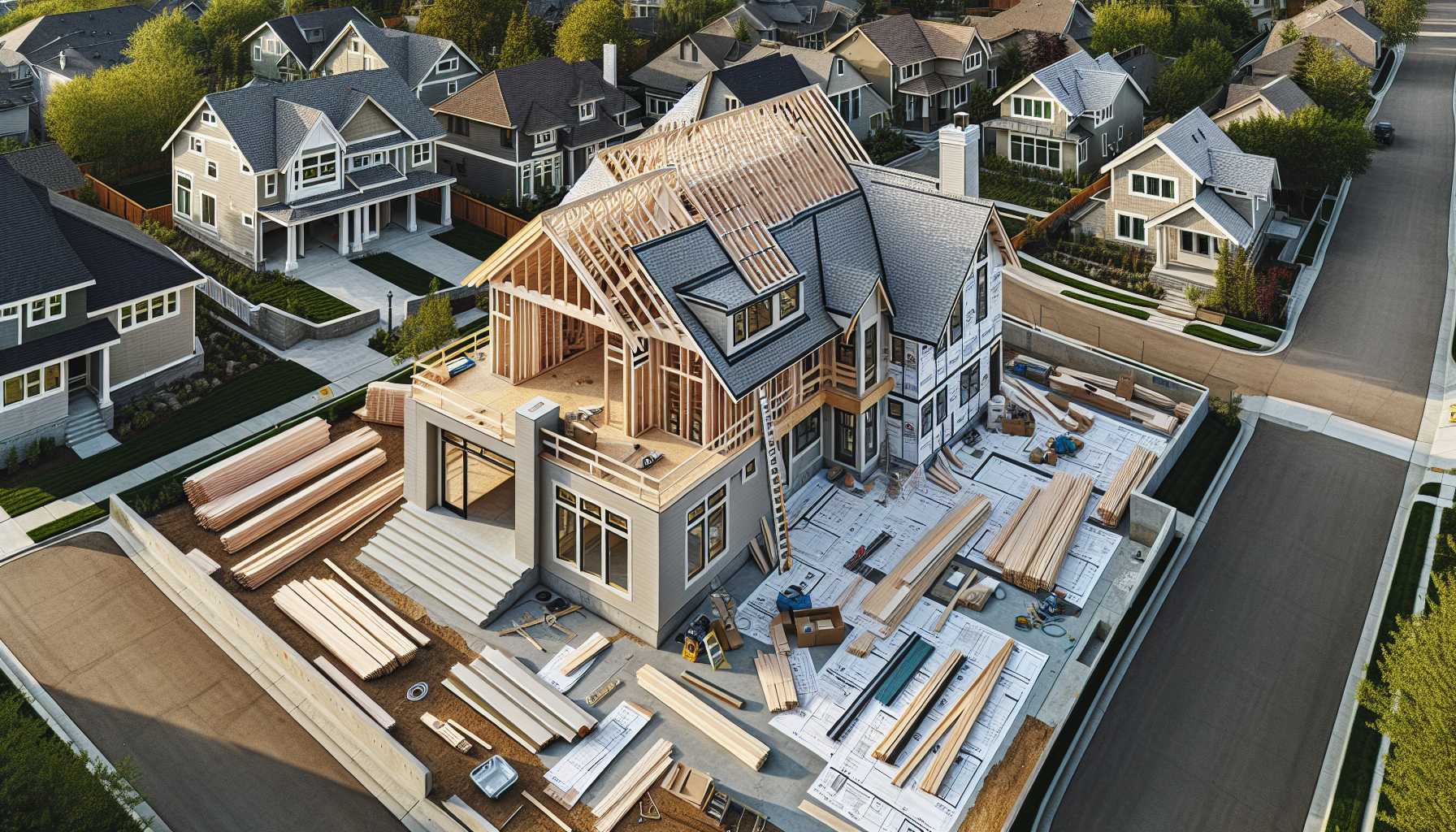
Feasibility First-Align Scope & Budget
Every seamless home addition begins with one unmistakable foundation: clarity around budget before we ever break ground. Integrating a new living space into your home-especially with a roofline tie in seamless home addition-is a technical, architectural, and financial challenge. From day one, our process embeds cost as a central design input, not an afterthought. Budget and scope move together in lockstep, especially when evaluating the best way to merge new and existing rooflines for a unified look.
Our feasibility design phase defines a clear budget before construction begins. We align scope, materials, and priorities with real costs so every decision is grounded in numbers-not guesswork.
This early phase is about understanding how your new addition will interact with the existing roof, the materials necessary for a seamless tie-in, and the labor involved to ensure weather-tightness and curb appeal. We present scope options-such as full gable tie-ins versus shed or hip connections-each with ROM (Rough Order of Magnitude) pricing bands. Early value-engineering choices, like material substitutions and framing methods, are discussed transparently. We establish a preliminary cost baseline tied directly to your chosen scope, so you aren’t surprised by design aspirations that overshoot your financial goals.
Establish the budget in feasibility, then manage it actively through design. Cost is a design input, not an afterthought. Understanding the technicalities-like flashing transitions or structural reinforcement-lets us pinpoint risk factors and account for them up front. This process clarifies what’s possible within your investment comfort zone, whether you’re expanding living space, adding a new bedroom, or upgrading with a second-story addition.
Let’s build your project on a strong foundation: clear numbers before any design moves forward.
Design with Cost Checkpoints
Once we’ve mapped out the scope and established the initial budget baseline, we move into design with disciplined, scheduled cost reviews. Roofline tie-in for a seamless home addition isn’t just about how the lines look-it’s about the underlying structure supporting new weight, the weatherproofing details at every valley and intersection, and how new materials will match or complement the old. We actively cost-engineer each system at defined milestones, preventing budget drift as complexity emerges.
Throughout detailed design, we treat the budget as a live document. Scheduled cost checkpoints at key milestones confirm scope against budget and capture value-engineering trade-offs.
These cost gates occur:
After Schematic Design, we review big-picture possibilities and their price implications.
After Design Development, the systems-like framing, roofing membranes, flashing, and fastener schedules-get detailed pricing.
At approximately 50% Construction Documents, we lock down dimensions, assembly specs, and all major construction methods for tie-in.
At approximately 90% Construction Documents, we refine any last-minute adjustments, such as custom gutters or specialty trims, and prepare for final owner sign-off.
Numeric Tightening Example-Hypothetical Scenario
Consider a hypothetical roofline tie-in seamless home addition:
Feasibility: €120k-€140k → Design Development: €132k-€136k → 90% Construction Documents: €134.8k (price locked pre-construction).
This illustrates how a broad pricing band narrows as the scope and technical details evolve, always before construction begins. Costs firm up as the design clarifies, and price locking occurs before a shovel ever hits the ground.
Technical Design of Roofline Tie-Ins
Every transition between existing and new roof structures brings specifics: matching pitch and material profile, aligning trusses or rafters, and ensuring the addition’s new load won’t overstress original structural members. Our team harnesses advanced modeling to visualize these intersections early, so possible issues find solutions on paper, not in the field. We prioritize constructible details, minimizing future repair risks and maximizing weather-tight performance.
If you’re considering a bedroom expansion or envisioning a new second story, see real-world examples at LivCo’s bedroom addition gallery.
Pre-Construction Price Lock
Disciplined budgeting demands that, before mobilizing, everything is documented and agreed upon: every flashing detail, underlayment, and finish for your seamless roofline tie-in. We do not leave pricing open-ended once construction draws near.
Before we start construction, we finalize drawings and specifications, clarify allowances, and lock the price on paper. This approach reduces owner risk and minimizes the need for contingencies.
At this stage, construction documents spell out all integration details: the flashing system at every joint, the fastener pattern at sheathing seams, the type and profile of roofing shingles or panels, and the method of transitioning to the existing roof structure. Allowances-if any-are named, quantified, and capped, eliminating slippery variables. We lock pricing before we mobilize. Fewer surprises, lower owner risk.
As a result, material take-offs are precise and labor allocations are clarified-for everything from roof sheathing transitions to specialty membranes-before any demolition or framing begins. This means your budget isn’t vulnerable to in-field discoveries related to roof integration, provided the existing structure is accurately exposed during pre-construction planning.
Minimizing financial risk while enhancing process certainty is at the heart of our approach. Invest your resources with the assurance that design, scope, and cost come together before the first nail goes in.
Build with Confidence
Once your roofline tie-in seamless home addition is priced and planned down to the last fastener, construction shifts to disciplined execution. All roofing intersections, weather-exposed valleys, and attachment points are mapped out, backed by detailed documentation. Our team manages scope with clarity: all designs and specs are strictly followed, change management is transparent and documented, and project progress is tracked against the locked price set before construction-never during.
This process-driven methodology minimizes surprises and limits the need for contingencies. We encourage right-sized reserves, matching the risk profile revealed during pre-construction, for “known unknowns”-such as hidden framing conditions discovered only after deconstruction. Our laser focus on scope control and document fidelity protects your investment.
Roofline Tie-In Techniques & Materials
A flawless roofline transition requires more than just matching shingles. Techniques include lapping new framing into the existing house, surgical demo of old eaves, and reinforced sheathing assemblies. Materials such as step and counter flashing, ice and water shields, high-grade underlayment, and custom metalwork guarantee performance. Choosing between engineered trusses or stick framing depends on attic access, span, and intended finish. Each material offers a different cost, durability, and visual impact profile.
Expert installation of these systems is vital to avoid leaks, interior water damage, or premature failure-risks that are best managed before a hammer swings. For further insights on seamless transitions, reference this industry guide on designing roofline tie-ins.
Benefits of Roofline Tie-In Seamless Home Additions
When executed with planning and craft, a seamless roofline tie-in adds architectural value, blends new and old visually, and preserves curb appeal. Energy performance may improve as continuous insulation details are integrated across the house envelope. Proper execution can even extend roof lifespan by eliminating water-trapping details. From property appraisal to personal satisfaction, value comes from not just “what” is built, but “how” it’s joined to what’s already there.
Curious about the process? Review our approach to whole-home renovation at LivCo’s remodeling process page.
Why Expert Guidance Matters
A roofline tie in seamless home addition demands experienced design and project management. Specialists understand load calculations, waterproofing techniques, and visual continuity. Our architectural and construction experts manage every phase-from feasibility and value-engineering to warranty walk-throughs. Partnering with pros means risk-managed delivery and enduring performance for your home addition investment.
See how experienced architecture elevates projects by exploring LivCo’s architecture and design services.
Every home, every roof, every family’s needs are different. Aligning design, materials, and cost at each step saves time and dollars down the line.
If you want clarity, control, and confidence-schedule a feasibility consult to define your budget before you build.
FAQ
What is a roofline tie in seamless home addition?
A roofline tie in seamless home addition refers to integrating the new roof with your existing roof so that it appears as one continuous structure. At Liv Companies, we ensure the new addition blends perfectly for visual harmony and optimal function.
Why is a roofline tie-in important when building a home addition?
Integrating the rooflines is essential because it ensures your home looks cohesive and prevents leaks or uneven settling. Moreover, a seamless tie-in can significantly increase curb appeal and add lasting value to your property.
Which materials are best for a seamless roofline tie in?
We typically use matching shingles, flashing, and underlayment for a consistent appearance and maximum durability. In addition, our team selects materials compatible with your current roof, so the finished look is flawless and weather-resistant.
How do you achieve a perfect roofline connection on an addition?
Our experts use advanced framing techniques, precise measurements, and careful alignment to tie in new and existing rooflines. For example, we focus on flashing and waterproofing to prevent moisture intrusion and ensure the addition is truly seamless.
Should I hire professionals for my roofline tie in seamless home addition?
Absolutely! A seamless roofline tie-in requires skill, experience, and specialized tools. By working with Liv Companies, you get peace of mind knowing that your home addition will be beautiful, safe, and built to last well into the future.