

Feasibility First-Align Scope & Budget
Planning an attic dormer home addition begins, first and foremost, with the feasibility design phase. This phase is critical for setting expectations and answering the central question: Can we achieve the space and functionality you want within a defined, data-driven budget? We view cost as a design input-never as an afterthought-so that each step from vision to reality starts with numbers and facts, not hopeful assumptions.
Our feasibility design phase defines a clear budget before construction begins. We align scope, materials, and priorities with real costs so every decision is grounded in numbers-not guesswork.
When considering an attic dormer home addition, we help identify a range of scope options-such as single or double dormers, varying ceiling heights, and different window configurations-to match what works for your home and lifestyle. Each scope scenario comes with ROM (Rough Order of Magnitude) pricing bands, so you see comparative costs early. This might look like: single shed dormer with finished bath vs. two gabled dormers for dual bedrooms. Early value-engineering choices, such as simplified rooflines or modular windows, are discussed up front to shape your investment before architectural drawings even begin. By the conclusion of feasibility, you’ll see a preliminary cost baseline tied to an actionable scope-empowering you to proceed (or pause) with eyes wide open.
Establish the budget in feasibility, then manage it actively through design. Our goal is to help you weigh attic dormer addition options based on verified numbers, building value from step one.
Design with Cost Checkpoints
With feasibility and budget baseline in hand, we enter detailed design for your attic dormer home addition-always with cost as a central checkpoint. Attic dormers add light, space, and function to formerly underused square footage, but without disciplined cost tracking, scope creep can erode value. That’s why we proactively schedule transparent cost checkpoints to ensure every line on the plans is anchored to your financial priorities.
Throughout detailed design, we treat the budget as a live document. Scheduled cost checkpoints at key milestones confirm scope against budget and capture value-engineering trade-offs.
Explicit Cost Gates Every Client Can Track
We align project progress with four discrete cost gates:
First, after Schematic Design is complete, we compare the conceptual direction against the feasibility baseline. This is where the largest design moves and constraint resolutions are addressed. Next, after Design Development, we adjust for material selections, mechanical layouts, and building code requirements. At approximately 50% Construction Documents, we update the estimate to reflect further detailing-think window sizes, insulation R-values, or unique trim requests. Then, at approximately 90% Construction Documents, we reconcile all outstanding design details and set the pricing for lock-in prior to construction.
Tracking Cost Refinement: A Numeric Example
Consider this hypothetical attic dormer home addition project as an illustration: At feasibility, the pricing band is €120k-€140k, reflecting the main dormer addition, finishes, and rough-in of a half-bath. After design development, exact geometry and selected materials narrow the range to €132k-€136k. By 90% Construction Documents-when all specifications are plotted and verified-the number lands at €134.8k, ready for a pre-construction price lock. This approach makes sure the price is tightened, documented, and locked before fieldwork begins. (Actual project pricing will vary according to individual scope and site conditions.)
Each checkpoint is an opportunity to weigh value engineering alternatives: Should you opt for standard versus custom windows? What is the best approach for built-ins or lighting to maximize usability without overspending? Answers come from active management, not after-the-fact adjustments. At every turn, our process maintains focus on your cost priorities and overall project viability.
To explore more ways design and cost interact in home additions, visit our design services overview.
Pre-Construction Price Lock
With design finalized and costs tightly tracked, we move to the decisive step of locking the price before building begins. For every attic dormer home addition, this checkpoint turns your vision into an actionable, priced roadmap-reducing risk and clarifying every expectation before field teams mobilize.
Before we start construction, we finalize drawings and specifications, clarify allowances, and lock the price on paper. This approach reduces owner risk and minimizes the need for contingencies.
We clarify remaining allowances-materials or finishes that may get client input late in design-so that selections are priced out, contract-ready. Only after every requirement is documented on the page do we proceed to final price confirmation. We lock pricing before we mobilize. Fewer surprises, lower owner risk. This practice distinguishes our risk-managed approach: you start construction knowing where every dollar is going, not wondering what will be discovered next week.
When reviewing your attic dormer home addition options, ask direct questions about contract clarity, allowances, and the scope-control mechanisms embedded in your pre-construction documentation. The goal is clear: avoid escalation, limit scope drift, and detail every anticipated cost before work starts.
If you want insight into other types of home additions that require the same cost-first mindset, see our approach to second-story additions.
Build with Confidence
Construction of your attic dormer home addition now becomes disciplined execution-never budget discovery. With every scope item defined, priced, and documented, our crews can sequence and deliver work cleanly, confidently, and in full alignment with your original cost targets.
Scope control is essential: we reference finalized drawings, signed specifications, and price-locked contracts at every site meeting. If you adjust scope post-contract (say, add a custom reading nook or shift dormer placement), we document and price the change transparently. Documented change management is a cornerstone of our process. You see the impact of each decision, with no surprises or “gray area” costs lingering. We execute against the papered price-not against evolving verbal instructions.
This approach reduces owner risk, limits surprises, and minimizes the need for contingencies. Rather than defaulting to oversized reserves, we recommend that clients right-size a modest reserve targeted to known unknowns, such as concealed site conditions, after design is complete. Most attic dormer home additions encounter few concealed issues due to their location atop existing structure, but it is prudent to allocate some reserve for the unexpected.
By leading with scope, price certainty, and forecast-driven reserves, you maintain control and move through construction with clarity. Explore a range of remodeling projects managed with similar process discipline on our remodeling projects page.
Making the Most of Dormer Space
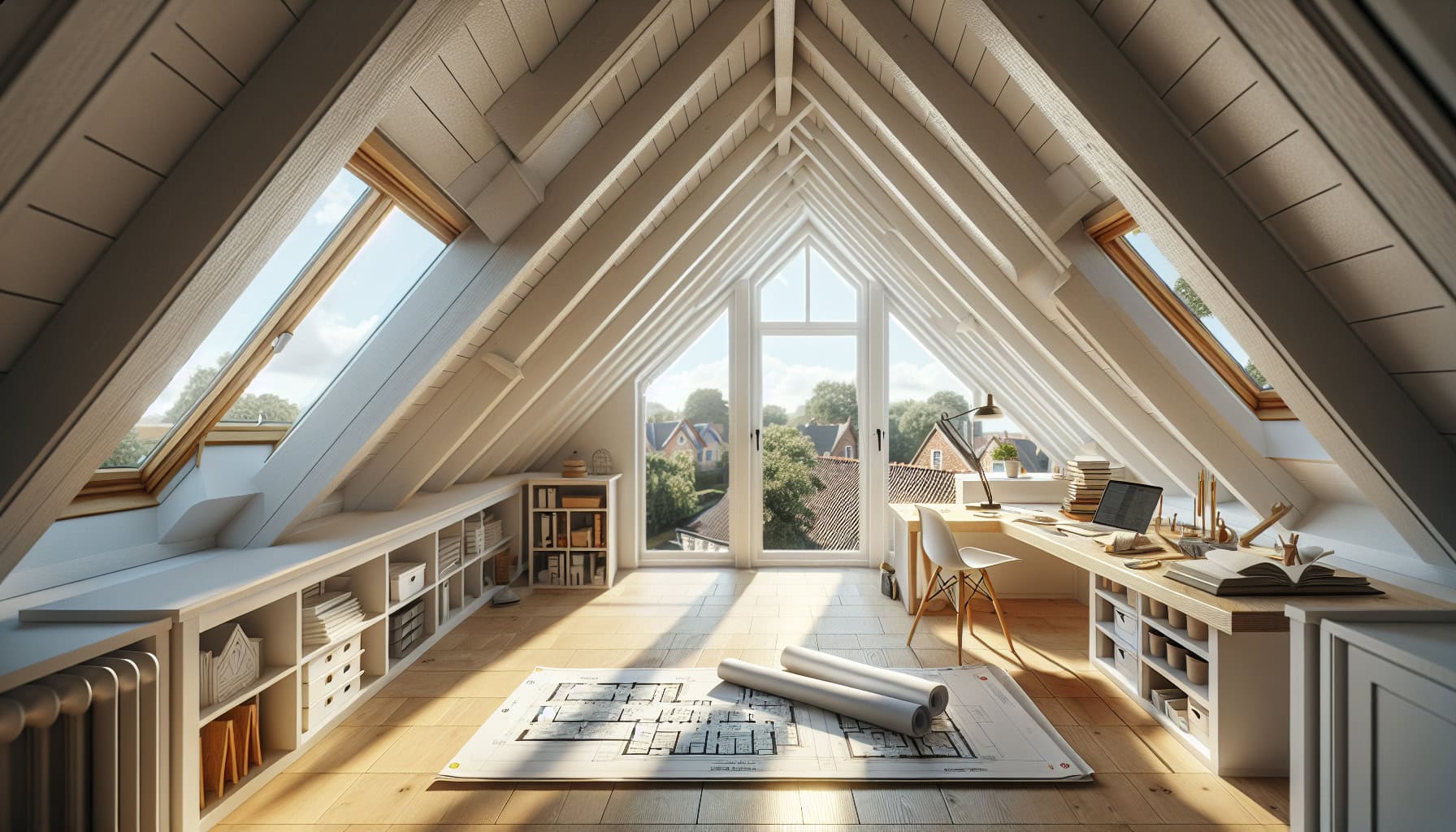
Now that we’ve covered the process for aligning cost and scope, what about making the most of your new attic dormer home addition? These spaces can transform the entire upper level-introducing natural light, increased headroom, and flexible new uses (from bedrooms to offices or playrooms). Strategic design leverages the unique geometry of dormers to deliver cozy nooks, custom built-ins, and valuable storage beneath eaves-each possibility weighed for both usability and cost impact during design checkpoints.
Experienced design teams can work within your price-locked scope to identify further space enhancements: whether to accessorize with integrated desks, under-bench drawers, or multi-height shelving. If maximizing daylight and air circulation is the priority, consider window groupings and layouts tailored to solar orientation. Every decision links back to the numbers set during feasibility and locked before construction, ensuring enhancements are on-budget and fit-for-purpose.
For inspiration on how dormers can turn otherwise unused spaces into purposeful architecture, review this resource: Turning Unused Attics into Livable Architecture.
Cost Factors of a Dormer Home Addition
When budgeting for an attic dormer home addition, key cost drivers are project scope, structural reinforcements, finish quality, and mechanical upgrades. The presence of plumbing or HVAC can add complexity if you’re incorporating a new bathroom or extending climate control into the attic. Roof line complexity (e.g., gable versus shed dormers), window configuration, and insulation strategies also influence bottom-line numbers. Early, transparent cost bands-set in feasibility and refined through checkpoints-help you make investment decisions that reflect long-term value, not bid-day surprises.
Since each home is unique, a careful site review and engineering assessment is part of feasibility. This ensures that things like roof load calculations, stair placement, and fire code compliance are included in your baseline budget. We often recommend investing in durable finishes and energy-efficient windows to maximize comfort in year-round use, especially in attic-level expansions.
Is an Attic Dormer Addition Right for You?
If you crave more usable space, natural light, and tailored functionality without expanding your home’s footprint, an attic dormer home addition may be a strong fit-particularly in settings where zoning, lot size, or exterior setbacks limit horizontal or rear additions. Bedrooms, creative studios, home offices, or upper-level dens all benefit from the flexible layouts that dormers introduce. The most successful results come when vision, cost, and feasibility align early and are maintained through a disciplined, documented process. If you’re uncertain what’s possible in your home, schedule a feasibility consult as your risk-reduction first step.
Should you want additional bedroom space or accessory sleeping options as part of your dormer project, learn more about our cost-driven approach to bedroom additions at our bedroom addition services.
Next Steps for Your Dormer Renovation
Initiating an attic dormer home addition begins with feasibility: scope, cost band, and baseline set before any real design investment or construction risk. We invite you to clarify your needs, review design precedents, and ask for a preliminary feasibility assessment-even for exploratory concepts or challenging roof structures. Early partnership delivers better value, less risk, and a smoother renovation journey for every client.
Schedule a feasibility consult to define your budget before you build.
FAQ
Why should I consider an attic dormer home addition?
Adding an attic dormer can transform unused attic space into a bright, functional area. Not only does this provide extra living space, but it also increases your home’s value. At Liv Companies, we often recommend dormers for families needing more room without sacrificing outdoor space.
What are the key benefits of expanding my attic?
By expanding your attic, you can create new bedrooms, offices, or playrooms. A dormer also improves natural light and ventilation, making the space more comfortable. Additionally, this type of renovation enhances curb appeal and can be a cost-effective alternative to full-scale additions.
How do I plan for an attic dormer addition?
Successful planning starts with assessing your attic’s current structure and discussing your goals. We help you evaluate local building codes, estimate costs, and choose the best dormer style to match your home. As a result, the process is smooth and tailored to your needs.
What design options are available for attic dormer additions?
There are several attractive dormer styles, including gable, shed, and eyebrow dormers. Each brings a unique look and function to your home. During our design phase, we work with you to select materials, window placement, and layout to make the most of your new space.
How much does an attic dormer home addition cost?
Costs vary based on size, design complexity, and finishes. While attic dormers generally cost less than full additions, factors like structural changes and window installations can affect the final price. For an accurate estimate, we recommend a personalized consultation with our team.