

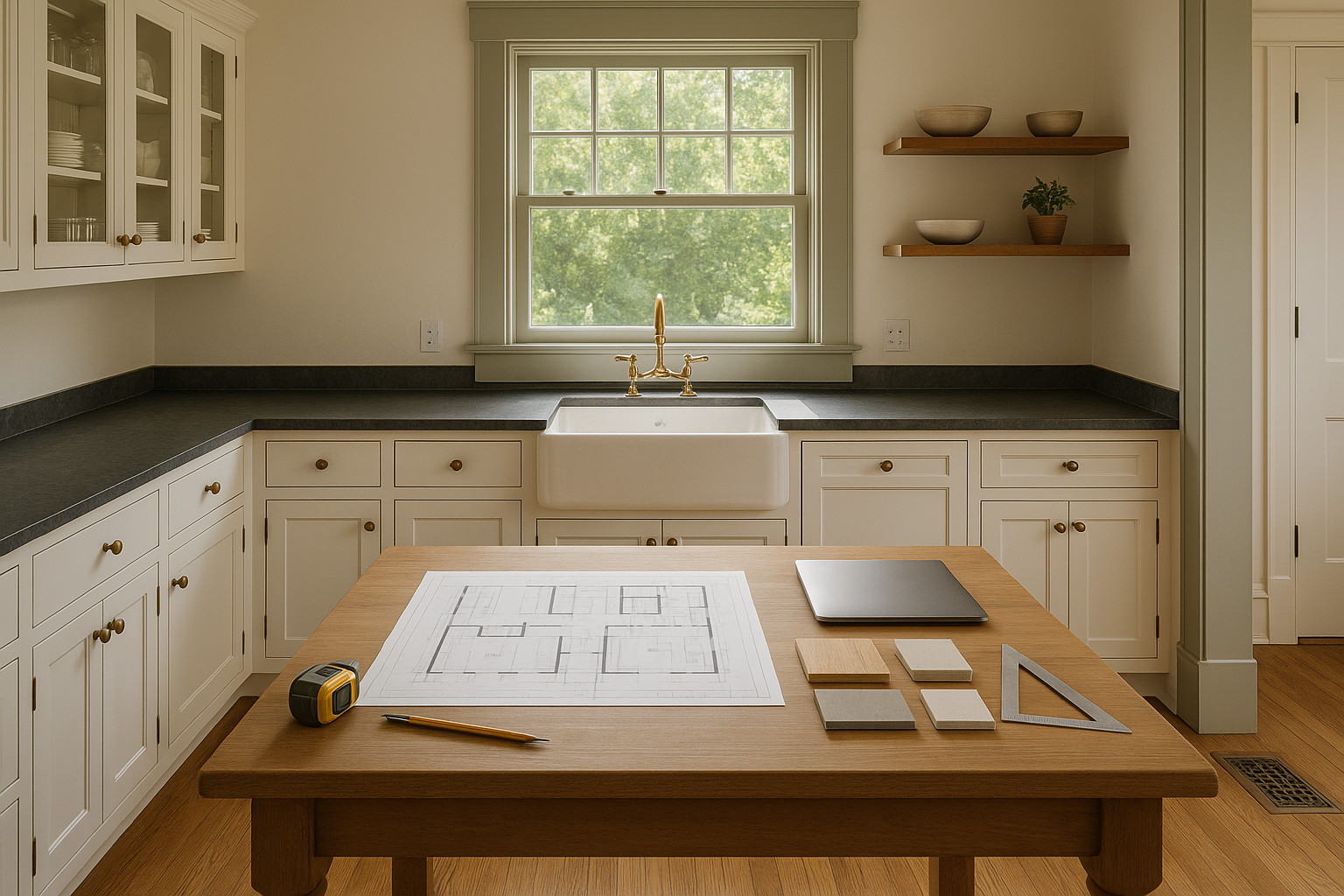
Feasibility First-Align Scope & Budget
Any truly successful historic bungalow kitchen remodel must begin with a cost-driven feasibility phase. At LivCo, our disciplined approach positions cost as a central design input-not an afterthought. Establishing a realistic budget up front safeguards client investment, prevents surprise overruns, and ensures the integrity of every aesthetic and architectural decision. With historic homes, integrating original character and modern utility always demands extra attention to details that can impact cost, from selective material sourcing to vintage fixture restoration and structural adaptation.
Our feasibility design phase defines a clear budget before construction begins. We align scope, materials, and priorities with real costs so every decision is grounded in numbers-not guesswork.
In this phase, you’ll see scope options that outline differences in project size, impact zones, and potential amenities. For example, we might compare basic footprint updates with selective opening of walls or period-appropriate cabinetry upgrades versus full kitchen expansion. Each scope is tied to rough order-of-magnitude (ROM) pricing bands, letting you directly weigh priorities against cost. Early value-engineering conversations are documented, such as refinishing existing woodwork versus period-accurate material replacement. Every adjustment is tied to a preliminary cost baseline, giving you transparency over what’s driving the budget and clarity to adjust plans proactively.
Establish the budget in feasibility, then manage it actively through design. That’s key to responsibly remodeling a historic kitchen-matching your goals to what’s achievable, not just desirable. Cost is a design input, not an afterthought.
If you’re considering reinvigorating your historic home, resources like https://www.livcompanies.com/remodeling/ offer more on our process and project evaluation in context.
What Is a Historic Bungalow Kitchen Remodel?
A historic bungalow kitchen remodel preserves the distinctive character of early- to mid-20th-century homes (such as Craftsman, Arts & Crafts, and Chicago Bungalows) while introducing modern comfort, layout logic, and resilient materials. The goal is to retain original features-like built-ins, moldings, and return air grilles-while updating appliances, lighting, and flow for contemporary living. Cost-driven feasibility ensures authentic details are restored within a clear scope, avoiding piecemeal changes that dilute historical value or cause budget drift.
In this first step, we quantify how much can be saved, what period elements need specialty work, and where modern systems can be efficiently integrated, balancing legacy with long-term performance.
Design with Cost Checkpoints
Once you confirm the project vision and baseline budget, design advances in defined phases-always with cost checkpoints to prevent scope creep. We believe that a cost-literate process protects homeowners and ensures design ambition is matched to financial realities. For a historic bungalow kitchen remodel, this means clear communication over how custom cabinetry, handcrafted tile backsplashes, or reproduction hardware affect the overall investment, and continuous updates to stay in alignment.
Throughout detailed design, we treat the budget as a live document. Scheduled cost checkpoints at key milestones confirm scope against budget and capture value-engineering trade-offs.
Cost Gates During Design
We engage major cost-checkpoints at:
• After Schematic Design: Big picture layout, preservation priorities, and “must-have” feature pricing are evaluated.
• After Design Development: Material selections, appliance packages, lighting, and built-in or custom elements undergo detailed pricing reviews.
• At approximately 50% Construction Documents: Working drawings and major specifications align to a more accurate estimate.
• At approximately 90% Construction Documents: Detailed quantities and vendor-specific quotes lay the groundwork for final pre-construction price lock.
Each checkpoint ensures all decisions made about period millwork, classic tile, or layout changes are quantified versus the agreed budget. We document value-engineering options-whether substituting reclaimed wood for new, adjusting appliance brands, or revisiting fixtures-to give you ongoing agency over project direction.
Numeric Tightening Example-Illustrative Scenario
Here’s a hypothetical example illustrating budget focus through the phases of a historic bungalow kitchen remodel:
Feasibility: €120k–€140k → Design Development: €132k–€136k → 90% Construction Documents: €134.8k (price locked pre-construction).
This progression shows how broad early estimates become more refined with each design phase, always before construction begins. The final price is locked with clear documentation at 90% CDs, limiting cost surprises and reducing reliance on contingency funds. This method is illustrative, not a guarantee, but demonstrates rigorous risk management in practice.
Inspiration, product guidance, and design insight are available at https://www.livcompanies.com/kitchen-remodeling/ to help plan your next steps.
Top Trends in Historic Bungalow Kitchen Remodeling
Contemporary historic bungalow kitchen remodels focus on blending timeless design with efficiency. Open shelving showcasing vintage dishware, custom inset cabinets patterned after originals, decorative tile nods, and discreet under-cabinet lighting now coexist with improved insulation, quiet appliances, and modern storage systems. Expert planning at each checkpoint helps you weigh which trends deserve investment versus where traditional solutions will suffice. Our cost-first reviews often reveal that partial restoration, like preserving the original layout with new finishes, can yield high value for historic and modern function alike.
For a broader look at trends and case studies, see resources such as this 2026 review of historic kitchen interiors.
Pre-Construction Price Lock
Only after design is fully documented-and all scope, materials, and vendor packages are clear-do we set the pre-construction price lock. This marks the transition from design to disciplined execution and underscores our process-driven, risk-managed approach to every historic bungalow kitchen remodel. Here, you can see line-item pricing for every cabinet, finish, electrical update, and specialty restoration, reducing the risk of change orders for ambiguous scope or omitted details.
Before we start construction, we finalize drawings and specifications, clarify allowances, and lock the price on paper. This approach reduces owner risk and minimizes the need for contingencies.
We lock pricing before we mobilize-the job begins with full scope, costs, and priorities firmly papered. Fewer surprises, lower owner risk. Owner reserves can stay modest and focused on known unknowns, like potential discoveries behind old plaster or minor code adjustments-never broad, undefined contingencies. This is the high-integrity threshold that historic bungalow kitchen remodels demand and homeowners deserve.
Best Materials for a Historic Bungalow Kitchen Remodel
Material selection is critical in historic bungalow kitchens. Choices made here influence final cost and long-term satisfaction. Reclaimed or custom-milled woods, durable stone surfaces like soapstone or granite, and high-quality tile echo the period and reinforce value. Living finishes-such as unlacquered brass or oiled hardwoods-add authenticity and offer easier restoration. Each product and vendor is confirmed on the construction documents, eliminating budget ambiguity. Allowances are clarified for any specialty items before work starts, ensuring every cost is documented up front.
If you’re planning a kitchen update that honors your home’s history, explore more on architecture, selections, and vendor vetting at https://www.livcompanies.com/architecture-and-design/.
Build with Confidence
Disciplined execution is the hallmark of our process. For every historic bungalow kitchen remodel, construction follows finalized documentation and the locked price-not an evolving scope. Careful scope control is maintained: approved details are referenced for cabinetry style, tile layout, and fixture placement, with clear procedures for reviewing any owner-requested changes. All change management is documented, ensuring impact is understood before work proceeds, not after.
Construction becomes the execution of your vision, not an exercise in budget discovery. Papered price controls are used for vendor management, specialty craftspeople, site logistics, and scheduling.
This approach reduces owner risk, limits surprises, and minimizes the need for contingencies. Right-size a modest reserve targeted to known unknowns, such as concealed site conditions, after design is complete. We document every step, so your investment is protected, and you can trust the process from demolition to final punch list.
Design Ideas for Historic Bungalow Kitchen Remodels
Every project is different, but cost-first planning unlocks a full suite of design possibilities that respect your home’s origins while meeting today’s functional needs. Some might opt for period-inspired cabinetry profiles, integrated banquettes, and classic farmhouse sinks with reproduction hardware. Others may want radiant heat under original tile, custom storage solutions, or glass-front cabinets for a lighter look. Final choices are fully scoped in pre-construction-removing guesswork and supporting the client’s vision through clear, actionable plans.
Learn more about the options available for your historic bungalow kitchen remodel at https://www.livcompanies.com/.
Benefits of a Well-Done Bungalow Kitchen Remodel
A planned, cost-anchored remodel brings enduring benefits-preserved equity, greater day-to-day enjoyment, and improved energy efficiency. We see historic bungalow kitchens that retain original woodwork, clerestory windows, and molded baseboards realizing strong ROI because their upgrades are in scale and style with the rest of the home. Rigorous budget alignment enables you to invest where it matters most, avoid shortsighted fixes, and gain a kitchen with modern convenience but timeless appeal-without introducing unnecessary financial risk.
A risk-managed, cost-first process is crucial for those balancing period restoration and future-proofed family use. Those seeking deeper value can schedule a feasibility consult to define your budget before you build.
How to Maintain Your Historic Bungalow Kitchen Remodel
Preservation and maintenance are built into every historically sensitive remodel. After completion, surfaces, fixtures, and finishes specified for the project are accompanied by care recommendations. Oiled woods may require annual treatments; handmade tile needs gentle cleansers; and vintage-inspired hardware benefits from periodic checks. Our process documents these maintenance requirements from the start-helping you protect your investment and prevent avoidable repairs. Staying proactive with care preserves both originality and value for years to come.
Final Thoughts on Historic Bungalow Kitchen Remodeling
Remodeling a historic bungalow kitchen is an investment in both heritage and modern life. Cost-first planning, detailed scope management, and full documentation at every stage are the pillars of a predictable, risk-managed project. At LivCo, our process empowers you to unlock beauty and function within a clear, realistic budget-transforming inspiration into results without unnecessary surprises. If you’re ready to explore what’s possible in your home, schedule a feasibility consult to define your budget before you build.
FAQ
What is a historic bungalow kitchen remodel?
A historic bungalow kitchen remodel is a thoughtful renovation that updates your kitchen while preserving its original charm and architectural details. At Liv Companies, we balance period-appropriate design elements, like custom cabinetry and vintage-inspired fixtures, with modern amenities for improved functionality. This approach ensures the kitchen remains both timeless and practical for modern living.
What trends are popular in bungalow kitchen remodels right now?
Currently, homeowners are embracing a mix of classic features and contemporary touches. For example, we’re seeing demand for shaker-style cabinets, warm wood accents, and subway tile backsplashes. Sustainable materials and energy-efficient appliances are also trending, as they blend well with the bungalow’s aesthetic while supporting eco-friendly choices.
Why choose to remodel your historic bungalow kitchen?
A remodel can dramatically improve both the functionality and value of your home. Many of our clients want to preserve unique historic details while creating a kitchen that suits their lifestyle. Moreover, an updated kitchen can provide better storage, improved workflow, and a welcoming gathering space for family and friends.
How do we plan a successful historic bungalow kitchen remodel?
Planning starts with evaluating your space and defining your goals. Our team recommends outlining key priorities-like maximizing natural light or enhancing storage. In addition, working with professionals familiar with historic homes ensures that original features are protected and new additions are seamlessly integrated.
What materials work best for a bungalow kitchen remodel?
We’ve found that natural materials like hardwood flooring, marble or butcher block countertops, and classic tile suit bungalow kitchens best. For cabinets, painted wood and glass inserts capture the era’s character. By choosing quality, durable finishes, you can maintain the kitchen’s beauty for years to come.