

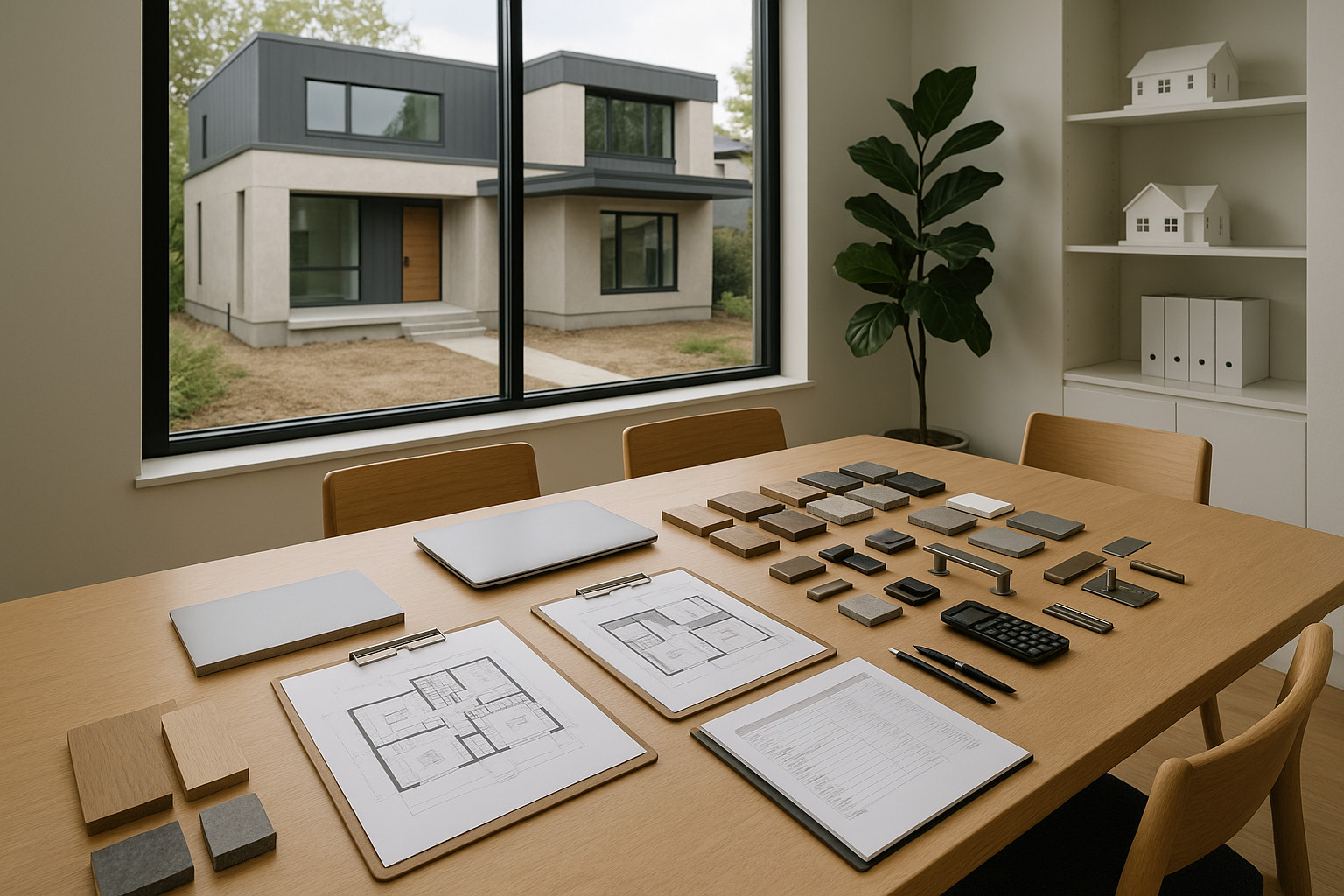
Feasibility First-Align Scope & Budget
Effective whole home renovation planning begins with one key priority: defining a realistic, data-driven budget before any construction starts. Treating cost as a design input-not an afterthought-is fundamental to successful projects. With rising material prices and evolving homeowner demands in 2026, clarity around scope, priorities, and total investment is critical. Early financial discipline sets the stage for outcomes that meet both aesthetic goals and fiscal comfort.
Our feasibility design phase defines a clear budget before construction begins. We align scope, materials, and priorities with real costs so every decision is grounded in numbers-not guesswork.
During feasibility, we take a comprehensive look at your needs for the entire home. Whether your objective is to modernize living areas, expand with a second story addition, or rework kitchens and baths, every scope option is studied in the context of value and cost. We’ll present you with real options to shape investment: from modest updates to transformative renovations. Each scope is mapped to realistic ROM (Rough Order of Magnitude) pricing bands, which reflect current labor and material markets.
Early in the process, we identify value-engineering opportunities-ways to secure desired outcomes for less, or adjust plans to avoid expensive pitfalls. We walk through initial selections, noting cost implications and long-term maintenance considerations for each material choice. The outcome of feasibility is a preliminary cost baseline directly tied to a well-defined scope, not loose estimates.
Establish the budget in feasibility, then manage it actively through design. Early clarity gives us leverage-to adjust, prioritize, or scale the project-while it is still most cost-effective to do so. Whole home renovation planning thrives on this upfront discipline, giving you confidence before deeper investment.
Design with Cost Checkpoints
Once feasibility confirms scope and sets a preliminary budget, we transition to design with a critical commitment: keeping costs visible and actionable every step. Our design process for whole home renovation planning includes cost checkpoints at strategic moments. This structured transparency helps align vision, scope, and resources through all phases-preventing scope creep and emotional decision fatigue.
Strategic Cost Gates to Keep Design and Budget in Sync
We schedule explicit budget reviews at these milestones:
• After Schematic Design
• After Design Development
• At approximately 50% Construction Documents
• At approximately 90% Construction Documents
Each checkpoint compares your evolving plans against the initial baseline, ensuring nothing drifts unchecked. When advanced drawings reveal complexities or choices that push costs, we surface value-engineering trade-offs. By weighing adjustments in real time, we preserve budget integrity and project momentum.
Throughout detailed design, we treat the budget as a live document. Scheduled cost checkpoints at key milestones confirm scope against budget and capture value-engineering trade-offs.
Example: Budget Range Tightening Through Design
To illustrate, imagine a whole home renovation planning scenario. In the feasibility stage, the ROM for your project lands between €120k–€140k. As we detail the vision in Design Development, this narrows to €132k–€136k. By the time we reach 90% Construction Documents, pricing is refined to €134.8k and locked before any construction begins. This hypothetical example shows how financial certainty builds through the process-not by chance, but through design-driven discipline.
Whole house remodel planning benefits from this clarity. Each milestone lets us pause, reassess, and confirm that plans align with your investment priorities. Managing cost as an active input-rather than allowing it to become a late-stage headache-empowers better decisions throughout the journey.
If you are considering a transformational renovation, explore the integration of budgeting and design with our architecture and design process. Our approach manages risk and protects your bottom line.
Pre-Construction Price Lock
With design complete and scope tightly defined, we move into the final preparation for building. This phase is a cornerstone of disciplined whole home renovation planning. Pre-construction price lock means all pricing, scope, and quality standards are settled-on paper-before anyone sets foot on site.
We make sure that all drawings and specifications are finalized. Every allowance is clarified, so there are no gray areas left for interpretation. By locking pricing before we mobilize, we limit surprises and sharply reduce owner risk. This discipline enables truly informed financial planning and sets clear expectations.
Before we start construction, we finalize drawings and specifications, clarify allowances, and lock the price on paper. This approach reduces owner risk and minimizes the need for contingencies.
When budgets are locked at this stage, construction proceeds efficiently against clear information. Last-minute decisions are drastically reduced, and owners avoid common traps: allowances left too open, scope growth, or “figure it out as we go” pricing. Securing the price before breaking ground is essential for risk-managed, process-driven outcomes.
As you approach construction, we will reconnect with your cost baseline established in feasibility, and verify its completeness against final drawings. We recommend right-sizing a modest reserve targeted to known unknowns, such as concealed site conditions, after design is complete. This strategy avoids speculative contingencies and keeps cash flow predictable.
For any homeowner considering a major transformation, this phase is your gateway to control and peace of mind. Our approach to whole home renovation planning aims to deliver fewer surprises, lower owner risk, and outcomes aligned with discipline-not just design.
For more insight into risk-managed project advancement, see our client intake approach and discover how we help set clear expectations from day one.
Build with Confidence
When construction begins, disciplined execution takes center stage. At this point, every element of your project is defined-no ambiguity remains in plans, allowances, or costs. Our construction teams are empowered to build exactly to specification, minimizing rework and delays. Whole home renovation planning now shifts from design and decision-making, to skilled implementation and rigorous quality control.
Scope Control and Documented Change Management
All construction proceeds under the finalized “papered price,” not a moving target. Any unanticipated changes or owner-driven adjustments are managed through a controlled, documented change process, not left to informal handshake agreements. This protects fiscal discipline and makes cost accountability transparent throughout the build.
Scope control is paramount. Every trade and specialist on site works to plans meticulously coordinated with your approved budget. We actively track all aspects of execution-materials, schedule, and compliance-in line with the scope locked before mobilization. If concealed conditions emerge, we draw only from the reserve set after design is complete, not from loose contingencies. This safeguards your investment.
Process-Driven Execution
Managing your project with process-driven clarity means fewer surprises and greatly reduced owner risk. Our approach limits the need for contingencies, because scope, standards, and costs were settled in advance. Execution in construction builds on the disciplined planning done in earlier phases-delivering results aligned with your original intent.
At LivCo, we believe whole home renovation planning is about disciplined management, not wishful thinking. See examples of rigorous project execution in our remodeling portfolio.
How to Maintain Your Renovated Home
After your renovation is complete, maintaining the value of your investment is equally important. Whole home renovation planning should include a post-construction maintenance roadmap. This begins with understanding which materials, finishes, and systems require periodic attention-as outlined in your project documentation. Schedule routine checks on mechanical systems, inspect roofing and exterior finishes yearly, and keep records for all manufacturer warranties.
Selecting low-maintenance products during feasibility and design pays ongoing dividends. Document what is installed and set up reminders for care intervals. This proactive approach can help limit unexpected future expenses and preserve your home’s beauty for years to come. Consider consulting resources from trusted industry organizations, such as the American Institute of Architects, for broader best practices in home stewardship.
Start Your Whole Home Renovation Planning Today
Every successful transformation starts with a strategy that aligns vision, investment, and implementation detail. With a cost-first, process-driven approach, your home renovation avoids costly missteps, random contingency buffers, and emotional distress. Our disciplined method-anchored in feasibility, active budget management during design, locked pricing pre-construction, and risk-managed execution-delivers clarity and confidence from beginning to end.
Schedule a feasibility consult to define your budget before you build.
FAQ
Why is whole home renovation planning important before starting construction?
Planning your entire renovation in advance ensures that every detail aligns with your lifestyle needs and budget. It also prevents surprises during construction and helps streamline the decision-making process. For example, having a clear plan can help you avoid costly mistakes and delays.
What are the main benefits of comprehensive renovation planning?
When you plan thoroughly, you benefit from better cost control, improved efficiency, and higher satisfaction with the final results. Moreover, our clients often find that detailed planning minimizes stress and keeps their projects on schedule. Ultimately, organization leads to a successful renovation experience.
Which mistakes should homeowners avoid during home renovation planning?
Some common mistakes include underestimating the budget, skipping permits, or working without a clear timeline. In addition, homeowners sometimes overlook the importance of regular communication with contractors. We recommend creating a realistic plan and consulting experts throughout the entire process.
How should I budget for a whole house renovation?
Start by determining your must-haves and prioritizing your needs. Then, build in a contingency fund for unexpected expenses. We always advise our clients to get multiple estimates and review every expense with their contractor to make sure spending stays on track throughout the project.
How can I maintain my newly renovated home and protect my investment?
Regular maintenance is key. For instance, schedule seasonal inspections and address issues promptly to avoid larger repairs. Additionally, keep up with cleaning and stay in touch with us for advice on long-term care for your updated spaces. This ensures your home stays beautiful and functional for years.